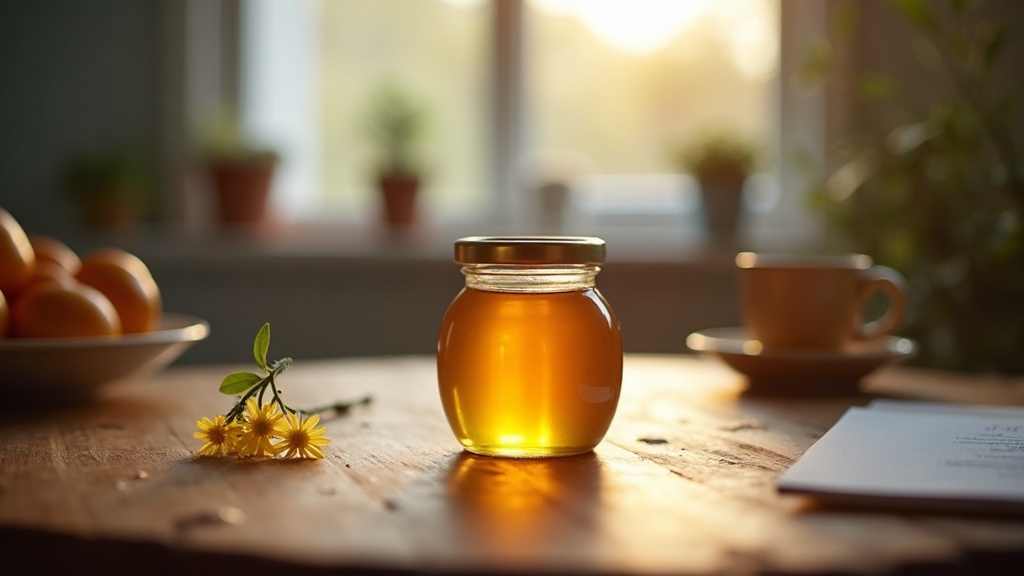
Advertisement · Traditional Wellness Content

Why Do So Many People Over 50 Turn to a Simple Spoonful of Honey Before Bedtime?

This video explores the old-world tradition behind honey-based herbal infusions and why families have passed down this quiet evening ritual for generations.

n
Traditional herbal wisdom  ·  Honey-based evening ritual  ·  Passed down for generations  ·  Educational video inside

Why Memory Shifts After 50: What's Really Going On?

Have you ever walked into a room and forgotten why you went in? You’re far from alone—and the full story behind these moments is more layered than ‘just getting older.’

n

The Clock Keeps Moving

As the decades pass, the brain naturally changes pace. Recall, focus, and processing speed shift gradually, often in ways that feel sudden even though they build slowly over years.

Sleep Quality Shifts

Deep, uninterrupted sleep tends to become harder to come by after midlife. Since rest plays a role in how the mind consolidates the day, lighter or shorter sleep can leave mornings feeling foggier.

Daily Stress Adds Up

Years of accumulated pressure—work, family, unexpected life events—can quietly wear on mental clarity. It rarely feels dramatic in the moment, yet the cumulative weight is real.

Nutrition Habits Change

Eating patterns often shift with age, sometimes moving away from the simple, whole-ingredient meals of earlier decades. Traditional diets in many cultures leaned on natural staples—raw honey among them—as part of everyday life, though modern routines often look quite different today.

Myths vs. Facts About Memory and Aging

There’s no shortage of opinions about what happens to the mind after 50. Separating common assumptions from a more grounded view matters.

n
MYTH

Memory decline is inevitable and looks the same for everyone after 50.

n
FACT

Individual experiences vary widely. Sleep, stress, daily habits, and countless other factors all play a part in how each person’s story unfolds.

n
MYTH

Herbal traditions like honey infusions are just old wives’ tales with no real cultural weight.

n
FACT

Honey-based rituals appear across many traditional practices spanning centuries and continents, valued as part of everyday customs long before modern wellness trends existed.

n
MYTH

Once you notice changes in focus, there’s nothing left to adjust in your daily routine.

n
FACT

Many people explore lifestyle adjustments, relaxation practices, and long-standing rituals as a natural part of their evening wind-down, regardless of age.

n

The Traditional Method Behind the Ritual

Curious how this evening tradition is actually structured? Here’s the simple sequence many cultures have followed for generations.

n
01

Step One: An Evening Pause

Before the lights go down, many traditions call for a deliberate pause—stepping away from screens and noise to mark the transition from day to night.

n
02

Step Two: The Warm Infusion

A warm honey-based infusion, often paired with select herbs, is prepared slowly. The process itself is part of the ritual, not just the drink.

n
03

Step Three: A Consistent Ritual

Repeating the same small routine nightly is what gives it meaning over time. Consistency, more than any single ingredient, is often what people say they value most.

n

Where This Tradition Comes From

Long before modern wellness culture, communities across Europe, the Middle East, and parts of Asia wove honey into their evening customs—often blended with herbs, warm water, or milk. Passed from grandparent to grandchild, these small nightly acts were rarely framed as remedies; they were simply part of how a household wound down after a long day. Historical records and oral traditions alike point to honey’s place at the center of countless kitchen-table rituals, valued as much for the pause it created as for the ingredient itself.

n

Insight: Traditional rituals often endure not because of a single ingredient, but because of the calming structure and consistency they bring to a daily routine.

n

Signs Worth Paying Attention To

Frequently Misplacing Everyday Items

Losing track of keys, glasses, or a phone more often than usual can be worth noting over time.

Struggling to Recall Recent Conversations

Difficulty remembering details from a conversation held just a day or two earlier is a pattern some people notice.

Losing Track of Familiar Routes

Feeling briefly disoriented on a routine drive or walk, even in familiar surroundings, is another sign some report.

Difficulty Following Multi-Step Tasks

Tasks that require several sequential steps—like a recipe or an assembly process—may start to feel more effortful.

Repeating Questions Without Realizing

Asking the same question again shortly after receiving an answer is a pattern loved ones sometimes point out.

Increased Trouble Concentrating in Noisy Settings

Following a conversation in a busy restaurant or crowded room can start to feel more taxing than it once did.

Stories From People Who Tried the Ritual

I started the evening honey routine mostly out of curiosity about my grandmother's old habits. It's become a small moment of calm I genuinely look forward to each night.

Margaret Coyle
Illustrative account
What drew me in was the history behind it, not any promise of a fix. I just liked the idea of a simple, consistent ritual before bed.
Walter Densmore
Illustrative account
My daughter sent me the video and I watched it out of curiosity. I appreciated learning where the tradition actually came from.
Irene Castellano
Illustrative account

Testimonials reflect individual experiences and personal opinions only. Results and experiences vary from person to person, and these accounts are not a guarantee of any outcome.

n

Frequently Asked Questions

It’s an educational video exploring the traditional history and cultural background of honey-based herbal infusions used as an evening ritual.

n

No. This content is educational and explores tradition and history. It does not diagnose, treat, cure, or prevent any condition.

n

The video discusses simple, commonly available ingredients used historically in traditional evening rituals.

n

Traditionally, it’s described as a brief, unhurried few minutes set aside before bed as part of winding down.

n

The video is framed around interests common to this age group, though the historical content itself may interest a broader audience.

n

The video traces roots across several regions where honey and herbal infusions were historically part of household customs.

n

Use the button on this page to access the complete video and learn more about the tradition in detail.

n

Ready to See the Full Story?

Watch the free video to learn about the traditional honey-based ritual explored throughout this page.

n

Advertising Disclosure: This page contains sponsored content and affiliate links. We may receive compensation if you choose to engage with the products or offers mentioned through these links. This helps support our content at no additional cost to you.

n

Content Disclaimer: The information on this page is provided for educational and informational purposes only. It has not been evaluated by the FDA. Nothing on this page is intended to diagnose, treat, cure, or prevent any disease or condition. Always consult a qualified healthcare professional before making changes to your health routine.

n

Results Disclaimer: Individual results and experiences vary from person to person. Testimonials shared on this page reflect personal opinions and are not a guarantee of any specific outcome or result.

n

© 2026 · All Rights Reserved · Questions? Visit our /contact/ page.

n